Resource: Chair Education

Healthcare Seating for Government

The Ultimate Guide to Healthcare Seating for Government Buyers: Making Smart Procurement Decisions
Government healthcare facilities face unique challenges when selecting seating solutions. From VA hospitals to municipal health centers, the right seating can dramatically impact patient satisfaction, staff productivity, and long-term operational costs. This comprehensive guide examines the best healthcare seating options for government buyers, focusing on durability, compliance, and value.
Why Healthcare Seating Matters for Government Facilities
Healthcare seating serves as more than furniture—it's a critical component of patient care infrastructure. Government healthcare facilities typically serve higher patient volumes and operate under stricter budget constraints than private facilities, making seating selection particularly crucial.
The wrong seating choices can lead to patient complaints, staff injuries, frequent replacements, and compliance issues. Conversely, strategic seating investments improve patient experience scores, reduce maintenance costs, and support staff wellness initiatives that government healthcare systems increasingly prioritize.
Key Requirements for Government Healthcare Seating
Regulatory Compliance Standards
Government healthcare facilities must meet stringent regulatory requirements that private facilities may not face. Healthcare seating must comply with Americans with Disabilities Act (ADA) guidelines, ensuring accessibility for all patients. Additionally, seating in government facilities often requires adherence to specific fire safety codes, antimicrobial standards, and federal procurement regulations.
Infection control represents another critical compliance area. Government healthcare facilities frequently handle infectious disease outbreaks and require seating materials that withstand rigorous cleaning protocols without degrading. Look for seating with seamless construction, non-porous surfaces, and materials approved for hospital-grade disinfectants.
Durability and Longevity Considerations
Government procurement cycles typically favor long-term investments over frequent replacements. Healthcare seating in government facilities must withstand heavy usage patterns while maintaining professional appearance and functionality. Commercial-grade construction with reinforced frames, high-wear fabrics, and replaceable components offers the best value proposition.
Consider seating with manufacturer warranties of at least 10-12 years for structural components. This aligns with typical government asset depreciation schedules and ensures consistent performance throughout the seating's expected lifespan.
Types of Healthcare Seating for Different Government Applications
Patient Waiting Areas
Waiting room seating in government healthcare facilities requires balancing comfort with durability and easy maintenance. Modular seating systems offer flexibility for different space configurations while standardizing procurement and maintenance processes.
Beam seating with antimicrobial upholstery provides efficient use of space while supporting infection control protocols. Look for options with integrated power outlets and USB charging capabilities to meet modern patient expectations without compromising safety or cleanliness standards.

Clinical and Treatment Spaces
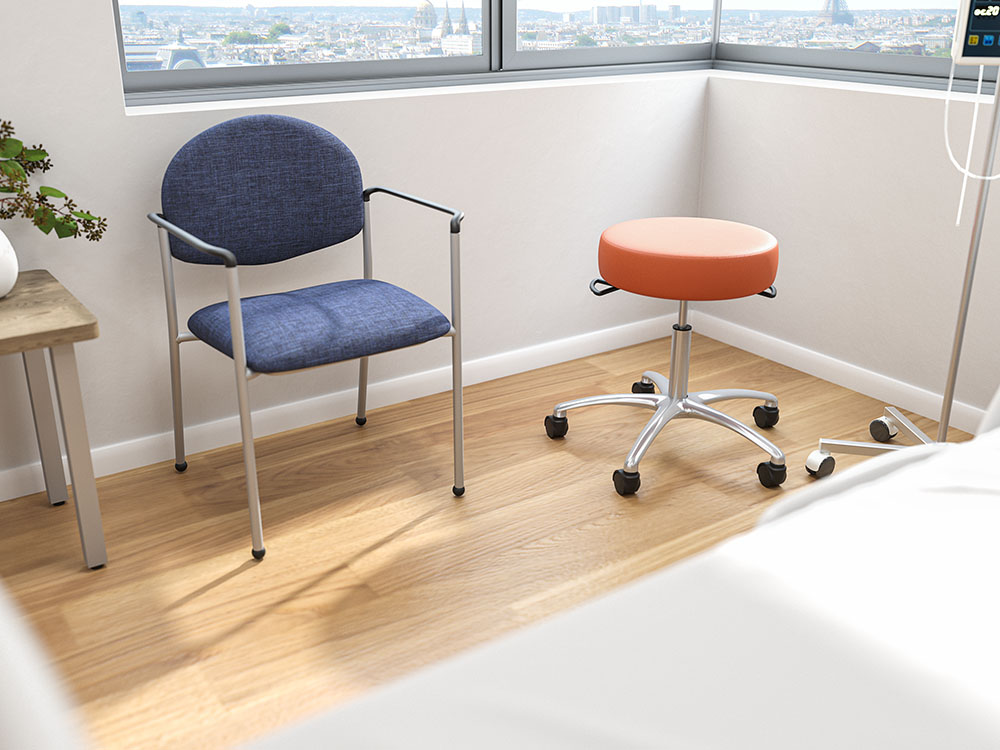
Treatment room seating must accommodate both patients and healthcare providers while supporting clinical workflows. Height-adjustable seating with cleanable surfaces and ergonomic support reduces staff fatigue and improves patient positioning during procedures.
Consider seating with multiple adjustment mechanisms that can be easily cleaned between patients. Pneumatic height adjustment, removable cushions, and seamless upholstery construction are essential features for clinical environments.
Administrative and Staff Areas
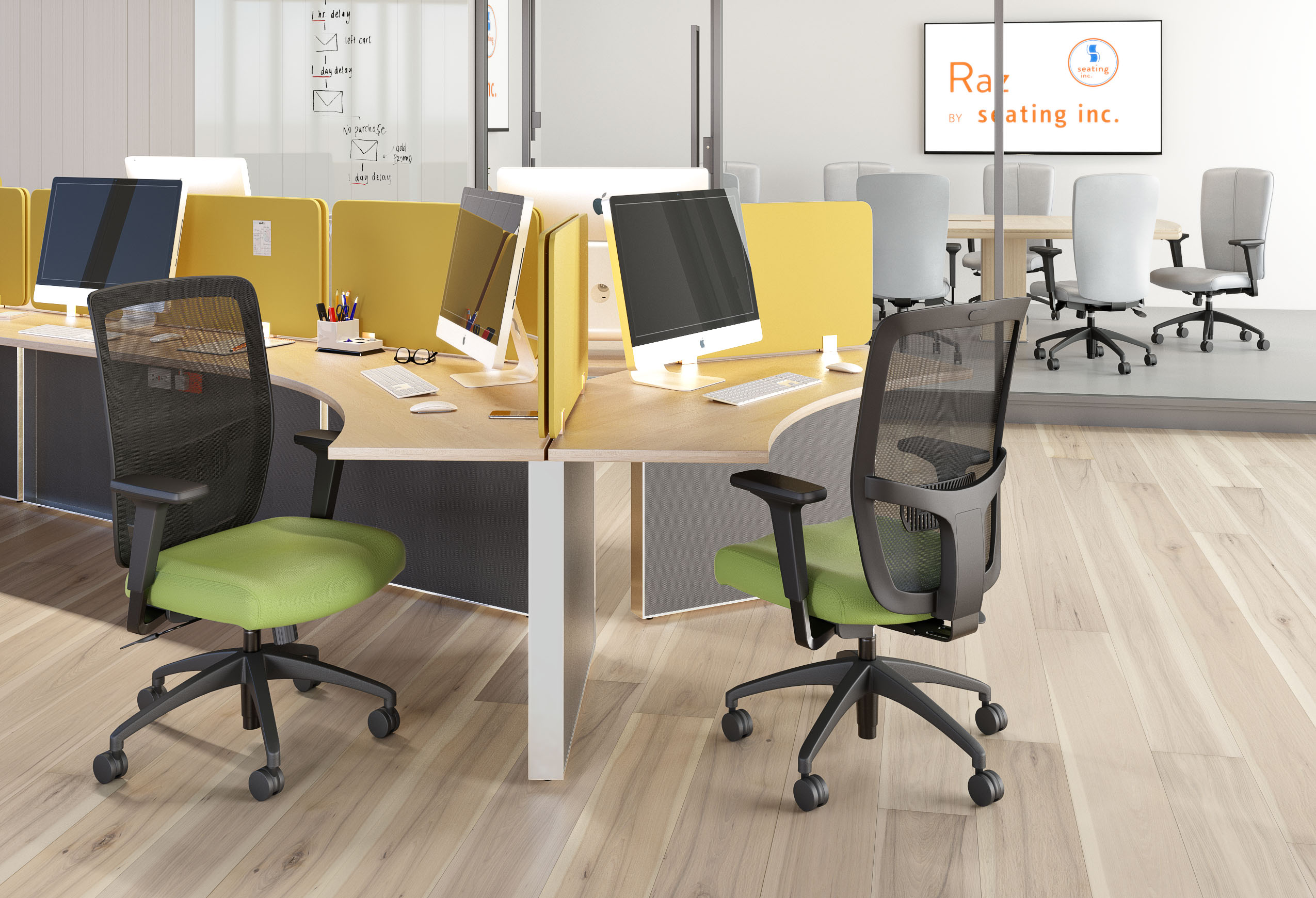
Healthcare administrative staff spend extended periods seated, making ergonomic support crucial for productivity and injury prevention. Government facilities should prioritize task seating with adjustable lumbar support, seat height, and armrests to accommodate diverse body types and work styles.
Look for seating certified by ergonomic testing organizations and backed by research demonstrating reduced musculoskeletal injury risk. These features support government workplace safety initiatives while potentially reducing workers' compensation claims.
Material Considerations for Government Healthcare Seating
Antimicrobial and Cleanable Surfaces
Government healthcare facilities require seating materials that maintain their integrity under frequent cleaning with hospital-grade disinfectants. Vinyl and polyurethane upholstery options offer superior cleanability compared to traditional fabric options, though modern performance fabrics with antimicrobial treatments provide additional choices.
Avoid seating with excessive seams, crevices, or decorative elements that can harbor bacteria or complicate cleaning procedures. Smooth, continuous surfaces with welded seams rather than stitched construction offer optimal infection control performance.
Fire Safety and Environmental Standards
Government healthcare seating must meet specific fire safety standards, including flame spread ratings and smoke generation limits. Look for seating certified to meet or exceed CAL 117-2013 and NFPA 701 standards, which are commonly required in government specifications.
Environmental sustainability increasingly influences government procurement decisions. Seating manufactured with recycled content, low-emission materials, and end-of-life recyclability aligns with federal sustainability mandates while potentially qualifying for LEED credits in new construction projects.
Budget Planning and Cost Considerations
Initial Investment vs. Total Cost of Ownership
Government buyers often focus primarily on initial purchase costs, but healthcare seating requires total cost of ownership analysis. Higher-quality seating with extended warranties, replaceable components, and superior durability typically provides better value over 10-15 year service periods.
Factor in maintenance costs, replacement frequencies, and potential productivity impacts when evaluating seating options. Seating that reduces cleaning time, minimizes repairs, and supports staff wellness can generate significant operational savings that offset higher initial investments.
Procurement Strategies and Contract Vehicles
Government healthcare seating procurement benefits from strategic planning and leveraging existing contract vehicles. GSA Schedules, state contracts, and cooperative purchasing agreements often provide pre-negotiated pricing and simplified procurement processes for healthcare furniture.
Consider establishing blanket purchase agreements for standardized seating types to streamline future purchases while securing volume pricing. This approach also simplifies maintenance and replacement by standardizing components and supplier relationships.
Implementation and Maintenance Best Practices
Installation and Setup Considerations
Successful healthcare seating implementation requires coordination with facility operations to minimize disruption to patient care. Plan installations during off-peak hours and consider phased replacement schedules that maintain adequate seating capacity throughout the transition period.
Ensure staff training on proper cleaning procedures and maintenance requirements for new seating. Document cleaning protocols and maintenance schedules to support infection control compliance and warranty requirements.
Long-term Maintenance Strategies
Develop preventive maintenance programs that extend seating life and maintain professional appearance. Regular cleaning schedules, component inspections, and prompt repair of minor issues prevent major problems and extend overall service life.
Establish relationships with local service providers for routine maintenance and repairs. Many healthcare seating manufacturers offer service programs specifically designed for government facilities, including scheduled maintenance visits and priority repair services.
Making the Right Choice for Your Government Healthcare Facility
Selecting healthcare seating for government facilities requires balancing multiple priorities including compliance, durability, cost-effectiveness, and user satisfaction. Success depends on thorough needs assessment, stakeholder input, and careful evaluation of total cost of ownership rather than just initial purchase price.
Start by conducting a comprehensive facility assessment that identifies specific seating requirements for different areas and use cases. Engage healthcare staff, facilities management, and procurement teams early in the process to ensure selected seating meets operational requirements while complying with government procurement regulations.
Consider pilot programs that allow testing of seating options in actual healthcare environments before making large-scale purchases. This approach reduces risk while providing valuable feedback from actual users who understand the daily demands placed on healthcare seating.
The right healthcare seating investment supports patient satisfaction, staff productivity, and operational efficiency while meeting the unique requirements of government healthcare facilities. By focusing on quality, compliance, and total cost of ownership, government buyers can make seating decisions that serve their facilities and communities effectively for years to come.
Related Articles

Finding The Best High End Desk Chair For You

Ergonomics Basics
